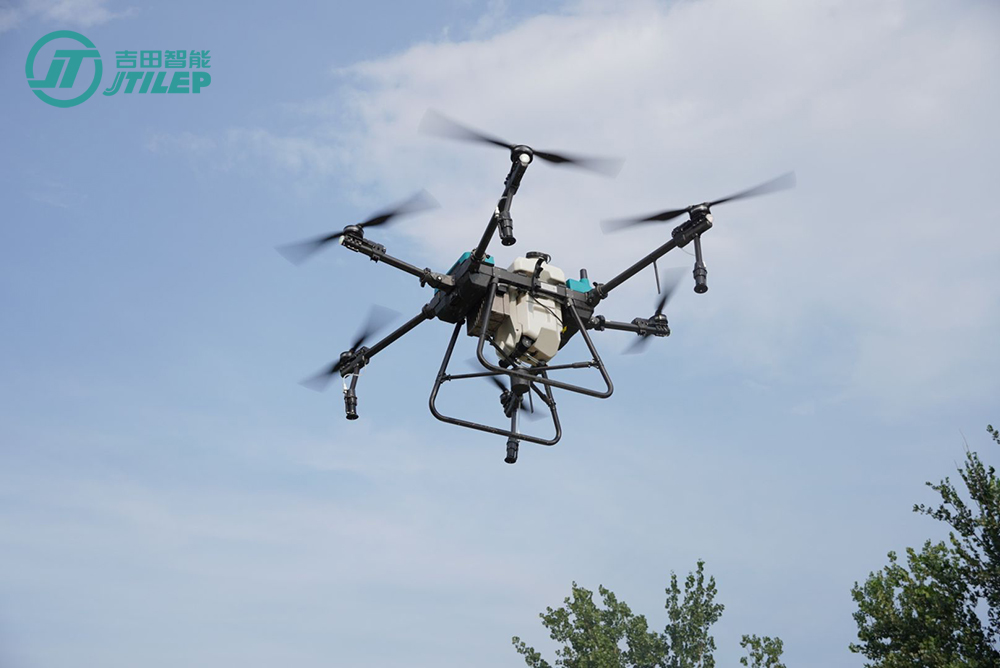
Agricultural drones, also known as unmanned aerial vehicles (UAVs), have become a game-changer in the agriculture industry. These drones are equipped with advanced sensors, cameras and GPS technology to enable farmers to monitor and manage crops more effectively. Fertilizer Drone Here are some ways agricultural drones can increase yields and reduce environmental impact:
1. Crop monitoring: Drones can capture high-resolution images of crops, providing farmers with valuable insights into plant health, growth patterns and stress factors. By identifying areas of concern early on, farmers can take timely action to address problems such as nutrient deficiencies, pest infestations or water shortages. This proactive approach helps optimize crop yield and quality.
2. Precision farming: Drones enable farmers to apply inputs such as fertilizers or pesticides with precision. By analyzing data collected by drone flights, farmers can create detailed field maps that identify areas that require specific treatment. This targeted approach minimizes chemical use, reduces environmental pollution and saves costs.
3. Water resources management: Water shortage is a major challenge facing agriculture.Professional Sprayer Drone Drones equipped with thermal sensors can detect changes in crop temperature, indicating areas with insufficient irrigation. By identifying these water-scarce areas, farmers can optimize their irrigation systems, ensuring efficient use of water and reducing waste.
4. Crop spraying: Drones equipped with spraying systems can efficiently apply fertilizers, pesticides or herbicides to crops. Drones can cover larger areas in less time and with greater accuracy than traditional ground spraying methods. This targeted application reduces chemical use, Agricultural Sprayer minimizing environmental pollution and health risks to farmers.
5. Soil analysis: Drones can collect soil samples from different locations within a field, providing detailed information about soil composition, moisture content and nutrient levels. This data can help farmers make informed decisions about soil management, including appropriate fertilization and crop rotation strategies. By optimizing soil health, farmers can increase crop yields and reduce the need for synthetic inputs.
6. Wildlife monitoring: Drones can also be used for wildlife monitoring, helping farmers identify and mitigate potential threats to their crops. For example, drones can detect the presence of pests, predators or invasive species, allowing farmers to take preventative measures to protect their crops without resorting to harmful chemicals or practices.
1. Crop monitoring: Drones can capture high-resolution images of crops, providing farmers with valuable insights into plant health, growth patterns and stress factors. By identifying areas of concern early on, farmers can take timely action to address problems such as nutrient deficiencies, pest infestations or water shortages. This proactive approach helps optimize crop yield and quality.
2. Precision farming: Drones enable farmers to apply inputs such as fertilizers or pesticides with precision. By analyzing data collected by drone flights, farmers can create detailed field maps that identify areas that require specific treatment. This targeted approach minimizes chemical use, reduces environmental pollution and saves costs.
3. Water resources management: Water shortage is a major challenge facing agriculture.Professional Sprayer Drone Drones equipped with thermal sensors can detect changes in crop temperature, indicating areas with insufficient irrigation. By identifying these water-scarce areas, farmers can optimize their irrigation systems, ensuring efficient use of water and reducing waste.
4. Crop spraying: Drones equipped with spraying systems can efficiently apply fertilizers, pesticides or herbicides to crops. Drones can cover larger areas in less time and with greater accuracy than traditional ground spraying methods. This targeted application reduces chemical use, Agricultural Sprayer minimizing environmental pollution and health risks to farmers.
5. Soil analysis: Drones can collect soil samples from different locations within a field, providing detailed information about soil composition, moisture content and nutrient levels. This data can help farmers make informed decisions about soil management, including appropriate fertilization and crop rotation strategies. By optimizing soil health, farmers can increase crop yields and reduce the need for synthetic inputs.
6. Wildlife monitoring: Drones can also be used for wildlife monitoring, helping farmers identify and mitigate potential threats to their crops. For example, drones can detect the presence of pests, predators or invasive species, allowing farmers to take preventative measures to protect their crops without resorting to harmful chemicals or practices.
Agricultural drones have huge potential to increase crop yields and reduce the environmental impact of agricultural practices. By providing real-time data and enabling precise intervention, these drones can help farmers make more informed decisions, optimize resource utilization, and minimize the use of harmful chemicals.